The Crisis of Modern Infrastructure
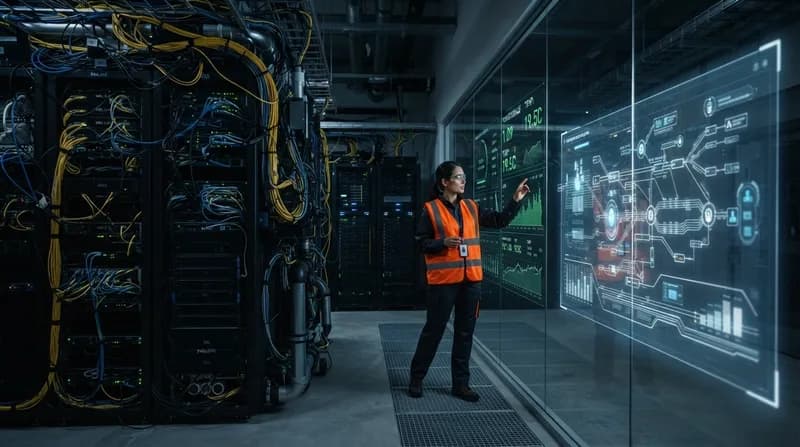
The datacenter industry is currently navigating a period of unprecedented expansion, yet it finds itself increasingly viewed with public hostility. These massive, energy-intensive facilities, often dubbed the dark cathedrals of artificial intelligence, are being labeled as environmental liabilities. As they consume gigawatts of power and impact local water resources, the sector’s current strategy of distraction and vague promises of future nuclear or fusion power is failing to win over skeptical communities. The lack of granular, reliable data regarding the energy costs of specific AI processes has created a vacuum that is being filled by public distrust and intensifying activism.
For the industry to survive this growing scrutiny, it must move beyond public relations spin and toward a new contract of candor. Policymakers and the public alike are demanding transparency. Without honest, verifiable metrics on the energy consumption of various models and hardware, the industry will continue to be viewed as a rogue actor prioritizing growth at any cost. The path forward lies not in obfuscation, but in adopting a philosophy of radical openness, mirroring the transformation that the software industry underwent decades ago.
The Potential of Marine-Based Infrastructure
Among the most promising solutions to current environmental concerns is the shift toward marine-based datacenters. While the industry is often fixated on centralized land-based farms that strain local grids, the open ocean offers a unique combination of natural cooling and abundant, renewable energy sources like tidal and wave power. Tidal energy, in particular, is highly predictable, offering a level of reliability that solar and wind often struggle to achieve in standard environments.
Innovative companies are already developing hardware designed to harness this potential. These floating units, often resembling space-age structures, utilize wave motion to drive internal turbines, providing a self-contained energy supply for the compute hardware housed within. By operating in deep water, these units bypass the need for invasive land-based infrastructure and can utilize seawater as a highly efficient coolant. This decentralized model represents a more sustainable, and ultimately more logical, progression than current efforts to launch data infrastructure into orbit, which remains a costly and ecologically questionable endeavor.
Why it Matters
- Accountability: Moving to open-source metrics on energy usage can transform public perception by providing verifiable data rather than vague estimates.
- Sustainability: Marine and tidal-powered datacenters utilize existing, reliable natural energy cycles rather than relying on future-dated, speculative power sources.
- Local Resilience: Because datacenters are physical, local entities, they are vulnerable to local political pushback. Adopting transparent, eco-friendly operational models is now a matter of commercial survival.
- Cultural Shift: Replacing the current culture of corporate paranoia with an open-source mindset could allow for faster, more collaborative innovation that actually addresses the climate impacts of AI.
The Path to Trust
The AI industry is still in its infancy, and its long-term viability depends heavily on how it manages its physical footprint today. The current "mad dash" for capacity, characterized by rapid construction and minimal regard for environmental externalities, is creating a growing list of adversaries among local communities. If the industry wants to continue scaling compute capacity, it must demonstrate that it is a responsible participant in the global ecosystem.
Radical openness in datacenter design, cooling methodology, and energy procurement is the only way to build the trust necessary for long-term growth. By sharing the technical blueprints and decision-making logic behind infrastructure deployment, the industry can invite participation instead of fostering resentment. The goal is to support the computational amplification of human potential without destroying the environment, a balance that requires honesty, technical creativity, and a fundamental change in corporate strategy.