E-BUZZ ME Logo
ScienceTechnical Deep Dive

Unexplained Rise in Lung Cancer Among Healthy Young Non-Smokers

Published
Unexplained Rise in Lung Cancer Among Healthy Young Non-Smokers
1 min read169 words

The Gist

A surprising new study suggests a potential link between healthy diets and lung cancer in non-smokers, leading researchers to investigate pesticide exposure.

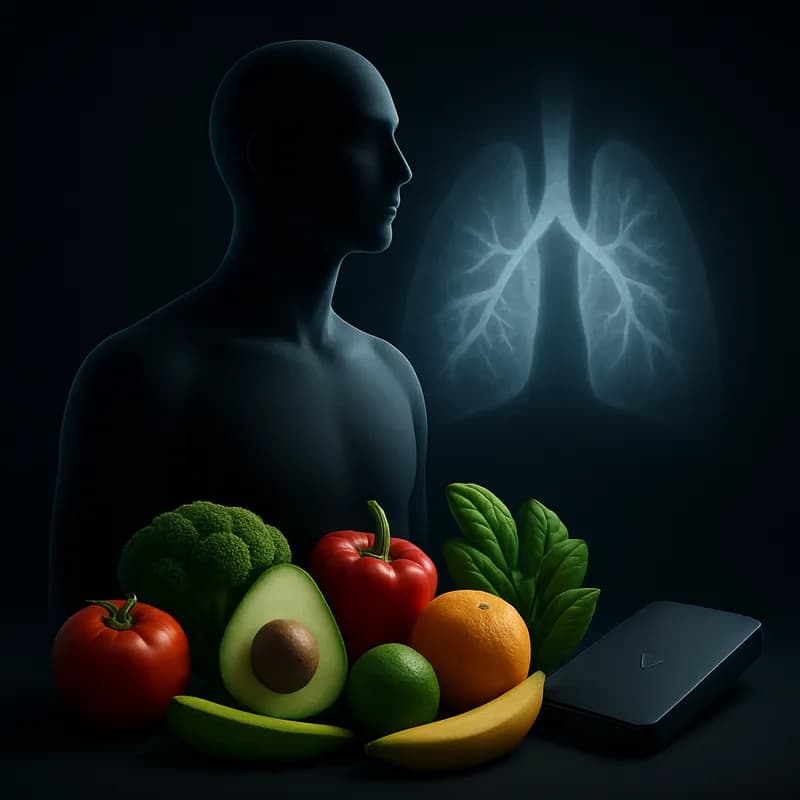
Medical researchers are investigating a puzzling trend: an increase in lung cancer cases among young, healthy non-smokers. A recent study has yielded unexpected results, showing that individuals with supposedly healthier diets—rich in fruits and vegetables—exhibited higher rates of the disease compared to their peers.

The Pesticide Hypothesis

The anomaly has led scientists to question whether conventional agricultural practices might be a contributing factor. One working theory suggests that pesticide exposure from conventionally grown produce could be a hidden risk factor for those who otherwise maintain low-risk lifestyles. By consuming higher quantities of treated produce, these individuals may be inadvertently increasing their exposure to certain chemicals.

A Call for Caution

Despite the provocative nature of the data, the research team emphasizes that these findings are preliminary. The study does not establish a definitive cause-and-effect relationship between produce consumption and cancer. Experts stress that further large-scale studies are required to isolate variables and determine if environmental toxins or other genetic factors are truly at play before any dietary recommendations are altered.


Related Stories

Semantically matched articles, ranked by topic overlap and freshness.

Biological Age Linked to Weight Loss Success in New Study
Science65%

Biological Age Linked to Weight Loss Success in New Study

A recent study suggests that individuals with a biological age younger than their chronological age may lose more weight when following calorie-restricted diets.

GLP-1 Weight Loss Drugs Linked to Increased Risk of Hair Loss
Science64%

GLP-1 Weight Loss Drugs Linked to Increased Risk of Hair Loss

A large-scale study reveals that popular GLP-1 medications like Ozempic and Mounjaro may carry a higher risk of alopecia compared to other diabetes treatments.

U.S. Schools Struggle with Concussion Support for Returning Students
Science62%

U.S. Schools Struggle with Concussion Support for Returning Students

A new study reveals that many public schools lack the necessary policies and staff training to support students recovering from concussions.

Self-Sampling Significantly Boosts HPV Detection and Screening Rates
Science61%

Self-Sampling Significantly Boosts HPV Detection and Screening Rates

A new clinical trial reveals that offering patients the option to self-sample for HPV leads to a dramatic increase in high-risk virus detection and overall screening participation.

The Economic Hurdles Facing GLP-1 Weight Loss Drugs
Science60%

The Economic Hurdles Facing GLP-1 Weight Loss Drugs

While drugs like Ozempic and Wegovy offer significant health benefits, their high costs pose a major challenge to insurance budgets and patient access.

AI Aids Stanford Researchers in Discovering Natural Weight Loss Molecule
Science60%

AI Aids Stanford Researchers in Discovering Natural Weight Loss Molecule

Stanford scientists have identified a natural molecule that mimics the weight-loss effects of Ozempic with fewer side effects by targeting specific brain regions.

Longevity-Linked APOE2 Gene Found to Shield Brain from Aging and Alzheimer’s
Science60%

Longevity-Linked APOE2 Gene Found to Shield Brain from Aging and Alzheimer’s

Researchers have discovered that the APOE2 gene variant protects neurons by reducing DNA damage and enhancing stress recovery, offering a potential blueprint for new Alzheimer’s therapies.

Sulfur-Based Compound Identified as Potential Breakthrough for Aging Muscle Repair
Science59%

Sulfur-Based Compound Identified as Potential Breakthrough for Aging Muscle Repair

Researchers have discovered a compound named LASSS that protects proteins essential for muscle recovery, offering hope for combating age-related muscle loss.