The New Era of Television Optimization
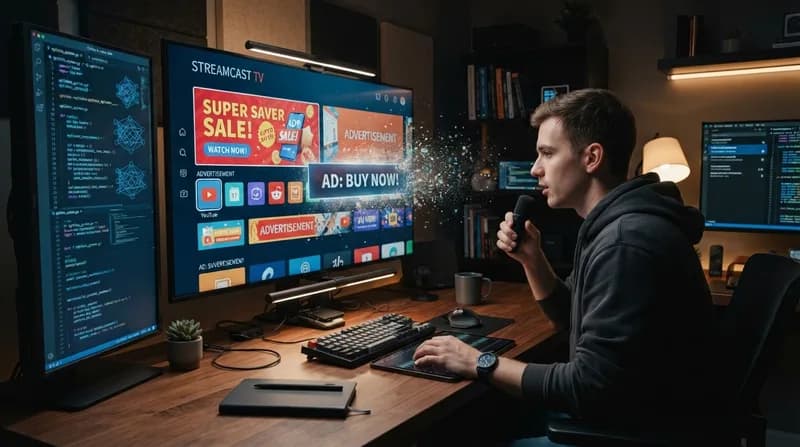
In a direct challenge to the bloated, data-hungry operating systems shipped with modern smart televisions, a new trend has emerged: using AI agents to essentially 'dumb down' the hardware. Consumers are increasingly frustrated by aggressive advertising, mandatory tracking, and sluggish user interfaces that plague modern sets. By employing AI coding assistants to analyze television software and automate the removal of unnecessary background packages, users are successfully reclaiming their living room screens.
This movement, often referred to as 'vibe-coding,' allows non-technical users to strip away the telemetry and sponsored content that manufacturers bake into the out-of-the-box experience. Instead of dealing with pre-installed bloatware that consumes system resources and surveils viewing habits, these AI-driven hacks streamline the television to function as a simple, fast portal for streaming content and external HDMI inputs.
Project: dumbtv
The 'dumbtv' initiative has quickly become a cornerstone of this movement. Its stated philosophy is minimalist and user-centric: a television should serve its primary purpose of displaying media without forcing users to navigate through unwanted ads, tracking scripts, or unrequested firmware updates. By hosting clear instructions and scripts on GitHub, the project provides a framework for users to interface with their TV's operating system via an AI agent.
The solution has demonstrated versatility across various platforms, including Amazon Fire TV, Sony, TCL, Philips, Hisense, and Xiaomi sets. Developed by Muzammil Yasin Sabuwala using a sophisticated stack of LLMs—including Deepseek V4.1 Flash and versions of Claude—the project is designed to be approachable. It aims to remove the layers of digital 'cruft' that manufacturers install to monetize user data, ensuring that the TV returns to a performant, neutral state that respects the owner's privacy.
Project: cleanyourtv
Complementing the 'dumbtv' approach, the 'cleanyourtv' tool offers a specialized pathway for Android TV and Google TV users. Created by developer Gathin T., this utility allows users to connect to their television over a local Wi-Fi network and execute commands that surgically remove unnecessary system packages. A notable outcome of this process is the ability to replace the default, ad-heavy manufacturer home screen with a lightweight launcher that mimics the cleaner aesthetic of platforms like Apple TV.
The utility highlights the accessibility granted by modern AI coding models. By simply providing an AI agent with the television’s model number and access to the Wi-Fi interface, users can initiate a cleanup process that significantly reduces UI latency. This approach avoids the risks and complexities of traditional rooting, as it maintains the ability to revert the device to its factory state, making it a lower-risk option for the average consumer looking for a performance boost.
Why It Matters
This trend represents a significant pushback against the current monetization models of the television industry, which rely heavily on Automatic Content Recognition (ACR) and intrusive advertising. For many years, users had little recourse against these practices, as the software was locked behind proprietary interfaces. AI has effectively democratized hardware modification, turning a task that previously required deep software engineering knowledge into an accessible, prompt-based operation.
Implications for the Industry
- Ad Industry Disruption: By removing tracking and ads, these hacks threaten the revenue streams that manufacturers depend on to keep hardware prices artificially low.
- Performance Gains: Users are reporting significantly faster load times and smoother navigation after purging the background processes that traditionally power manufacturer-mandated overlays.
- Risk Awareness: While these tools are effective, they are community-driven and carry risks. Improper use of AI commands can lead to non-responsive interfaces or the disabling of essential system packages, requiring users to exercise caution when automating system modifications.