Tech & GadgetsTechnical Deep Dive

The Hidden Energy Tax: How Hyperscale Data Centers Are Rivaling Entire States in Power Consumption

Published
EElectricBuzz Editorial Team
The Hidden Energy Tax: How Hyperscale Data Centers Are Rivaling Entire States in Power Consumption
3 min read494 wordsElectricBuzz Editorial Team

The Gist

“A new Harvard study reveals that U.S. hyperscale data centers are consuming as much electricity as entire states, with carbon emissions surging significantly since 2018.”

The Massive Scale of Modern Infrastructure

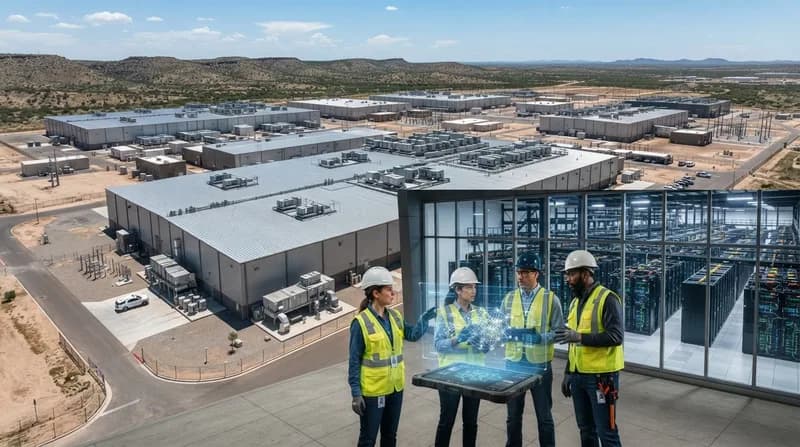
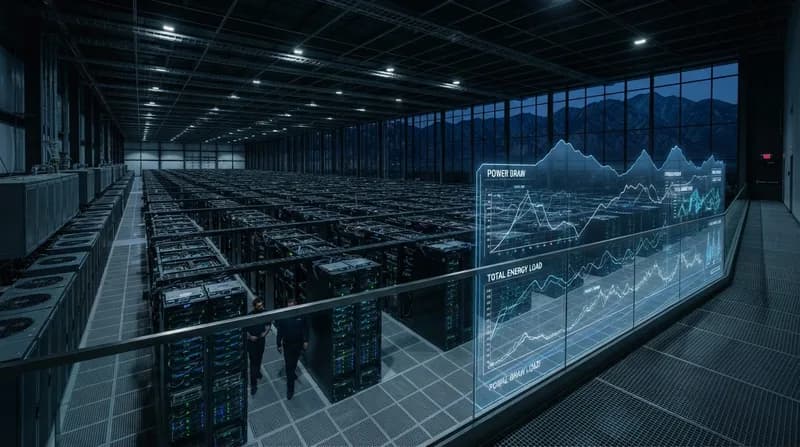
As the world pivots toward an AI-driven digital economy, the physical footprint of the internet is ballooning in ways few predicted. A comprehensive new study led by the Harvard T.H. Chan School of Public Health and the Harvard Data Science Initiative has quantified the sheer scale of this growth. Researchers analyzed 403 hyperscale data centers across the United States, finding that these colossal facilities consumed between 68 and 99 terawatt-hours of electricity during the 2024-2025 period. To put that in perspective, the electricity draw of these facilities is roughly equivalent to the total annual consumption of states like Indiana, Michigan, or Tennessee.

The study highlights a staggering shift in environmental impact compared to just a few years ago. Carbon dioxide emissions attributable to these data centers were estimated to be two to three times higher than 2018 forecasts. With a central estimate of 25.7 million metric tons of CO2 produced in a single year, the data highlights that while cloud computing provides virtual services, its physical reality is firmly grounded in carbon-intensive power grids.

The Methodology and Regional Disparities

Quantifying the power usage of private, often secretive, server farms is a Herculean task. Since direct electricity meter readings are rarely public, the Harvard team utilized satellite imagery, OpenStreetMap building footprints, and site-specific electrical capacity assessments to model consumption. By factoring in annual operating hours and varying load intensity—ranging from baseline cloud tasks to intensive, constant-run AI model training—the researchers created a multi-scenario map of energy demand.

Location remains a critical factor in the environmental cost of computation. The study underscores that the carbon intensity of a data center is inextricably linked to the energy mix of the local grid. Despite these facilities often sourcing cleaner energy than the national average, the research found that 54 percent of the electricity powering these hyperscale sites still originates from fossil fuel sources, specifically coal and natural gas. This creates a geographically disparate impact, where facilities in regions reliant on fossil fuels contribute disproportionately to the industry’s total emissions profile.

Why It Matters: The AI Bottleneck

  • Rapid Expansion: The study period ended in April 2025, meaning the reported figures are likely conservative estimates of current 2026 usage.
  • Infrastructure Strain: As hyperscale demand nears the level of an entire state’s grid, it forces local utilities to reconcile residential and commercial needs with the insatiable hunger of AI hardware.
  • Transparency Gaps: The study emphasizes that current data makes it difficult to distinguish between general cloud computing and the specific, highly energy-dense demands of AI-specialized compute, a distinction that will become crucial as the industry matures.

The researchers, led by postdoctoral fellow Gianluca Guidi, view these findings as a snapshot of a rapidly accelerating trend. With new campuses coming online weekly and the demand for generative AI models showing no signs of slowing, the intersection of energy policy and infrastructure expansion is poised to become one of the defining tech challenges of the next decade.


SPONSORED
The 5 Best Over-Ear ANC Headphones of 2026, Tested & Ranked
Editor's Pick Guide
92/100
Tech & Gadgets•12 min read

The 5 Best Over-Ear ANC Headphones of 2026, Tested & Ranked

We locked five over-ear ANC picks for 2026 — Sony WH-1000XM6, Bose QuietComfort Ultra 2, Soundcore Space One, Sennheiser Momentum 5, and Apple AirPods Max 2 — then stress-tested them on lab metrics, long-term owner truth, and live street prices.

Related Stories

Semantically matched articles, ranked by topic overlap and freshness.

Canonical Outlines Roadmap for Immutable Ubuntu Core Desktop
Tech & Gadgets

Canonical Outlines Roadmap for Immutable Ubuntu Core Desktop

Canonical has revealed a concrete timeline for bringing its immutable Core Desktop to the mainstream, targeting a 2028 release with ambitious long-term plans.

SK Hynix Solidifies Dominance in AI Memory Market With Kioxia Stake
Tech & Gadgets

SK Hynix Solidifies Dominance in AI Memory Market With Kioxia Stake

A major strategic shift sees South Korean giant SK Hynix become the leading shareholder in Japanese memory producer Kioxia, signaling a new era of consolidation in the AI chip supply chain.

Global Markets Brace for Impact as New US Chip Restrictions Hit AI Sector
Tech & Gadgets

Global Markets Brace for Impact as New US Chip Restrictions Hit AI Sector

Fresh US export controls on high-end AI processors are sparking volatility, threatening to disrupt the global semiconductor supply chain and test US-China trade relations.

SpaceX Secures $32 Billion to Power Its AI Ambitions
Tech & Gadgets

SpaceX Secures $32 Billion to Power Its AI Ambitions

SpaceX is leveraging a massive $32 billion debt financing strategy to secure the hardware necessary for its expanding artificial intelligence infrastructure.

Germ Network Debuts on Android to Supercharge Bluesky Privacy
Tech & Gadgets

Germ Network Debuts on Android to Supercharge Bluesky Privacy

The Germ Network encrypted messaging client has officially arrived on Android, offering a privacy-first, identity-focused alternative for Bluesky users.

Financial Giants Scramble as Third-Party Data Breaches Surface
Tech & Gadgets

Financial Giants Scramble as Third-Party Data Breaches Surface

JPMorgan Chase, Visa, and Mastercard are investigating separate third-party cyberattacks that allegedly exposed limited customer contact information.

AI Market Jitters Persist as Chip Stocks Defy Anthropic IPO Hype
Tech & Gadgets

AI Market Jitters Persist as Chip Stocks Defy Anthropic IPO Hype

Despite the massive public debut of Anthropic, Asian semiconductor markets continue to face a downward trend as broader concerns about the AI sector linger.

Nvidia Under Scrutiny: Chip Giant Investigates Ransomware Extortion Claims
Tech & Gadgets

Nvidia Under Scrutiny: Chip Giant Investigates Ransomware Extortion Claims

Nvidia is currently investigating claims by the ransomware syndicate known as 'The Gentlemen' that they have breached the company's internal data.