The Anatomy of the Breach
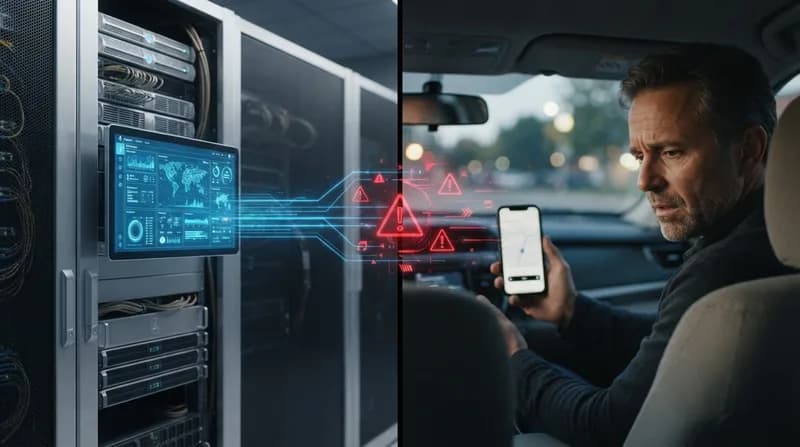
In a significant security incident involving the AI supply chain, ride-hailing giant Uber has confirmed that personal information for 149,346 individuals was compromised following a breach at one of its external AI suppliers, Fireworks AI. The incident, which came to light after an investigation by Uber, underscores the vulnerabilities inherent in sharing sensitive data with third-party inference providers. The compromised information reportedly includes images of driver's licenses, full names, home addresses, dates of birth, and unique license identification numbers.
The breach was enabled by the unauthorized use of legitimate credentials, a tactic that allowed the attackers to bypass security monitoring systems that had been specifically configured for the cloud storage environment housing the data. Because the access appeared to originate from authorized channels, the intrusion went undetected by Uber's internal monitoring tools at the time of the event, which took place on October 7. It wasn't until October 9 that Fireworks AI alerted Uber to the unauthorized activity, triggering a remediation process that led to the revocation of the compromised access credentials.
The AI Vendor's Turbulent October
Fireworks AI, a company that specializes in providing infrastructure for deploying and fine-tuning large language models, faced a series of security setbacks throughout October. Following the initial discovery of the intrusion, the company’s internal review processes were tested multiple times. Initial assessments of the incident were notably optimistic, with early communications suggesting that customer datasets and personal information remained secure. However, subsequent internal investigations revealed a much wider scope of unauthorized access.
By November 9, the situation escalated further as the company acknowledged that the intruders had gained access to a broader range of assets. This included billing records, various customer datasets, and incomplete model weights. Notably, the fallout from these security lapses extended beyond Uber; productivity platform Notion also reported that some of its users' interactions with their AI assistant were exposed during this period. Fireworks AI has suggested that the attackers were likely motivated by the prospect of selling unauthorized access to high-demand LLMs on the dark web.
Why It Matters
- Supply Chain Risk: The incident serves as a stark reminder that companies are only as secure as their weakest vendor link, regardless of their own internal security posture.
- Credential Hijacking: The reliance on 'legitimate credentials' continues to be a primary attack vector, rendering traditional signature-based monitoring ineffective.
- Data Minimization: The breach raises critical questions regarding the necessity of sharing high-sensitivity documents, such as driver's licenses, with third-party AI inference firms.
- Transparency Concerns: The delay between the initial detection on October 7 and the public/individual notification on November 10 highlights ongoing challenges in incident response timelines for enterprise AI partners.
In response to the data exposure, Uber has begun the process of notifying the affected drivers and providing them with complimentary credit monitoring and fraud assistance services. While Uber maintains that the breach was contained to the specific environment used by the supplier and did not impact its broader corporate infrastructure, the 90-day window offered to affected individuals to claim their protection services has become a point of contention for security advocates.