The Infrastructure Collision Course
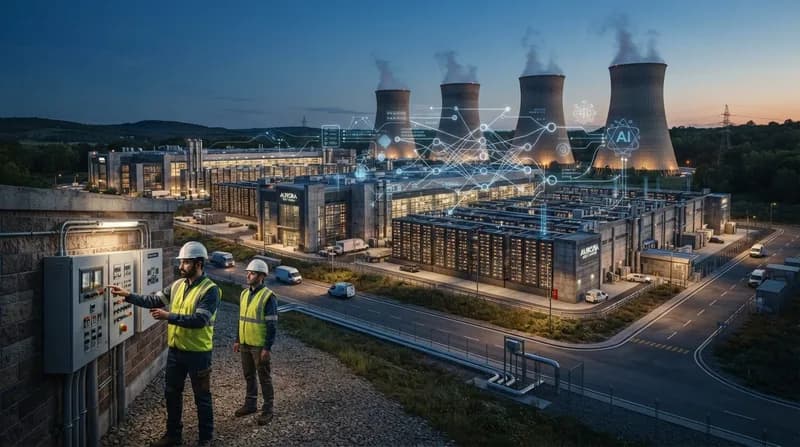
The United States is currently experiencing a historic explosion in datacenter construction, fueled by the insatiable energy requirements of AI foundation models and hyperscale cloud computing. However, this architectural gold rush is hitting a formidable barrier: the physical limits of the national electrical grid. Recent reports indicate that the pace at which new 'bit barns' are being built significantly exceeds the speed at which utility companies can add the necessary generation and transmission capacity.
According to data from Moody’s and the International Energy Agency, the power requirements for these facilities are projected to reach a staggering 426 terawatt-hours (TWh) by 2030. This figure represents nearly double the consumption recorded in 2025. To bridge this gap, the nation faces a daunting financial hurdle: an estimated $110 billion investment in new power generation, with an additional $25 billion to $30 billion required annually to maintain the integrity of the electricity system.
Why it Matters
- Energy Constraints: Power availability has become the primary bottleneck for tech expansion, causing project delays that can span as long as seven years.
- Economic Impact: The surge in demand is already inflating energy prices, leading to public opposition and the implementation of moratoriums on new datacenter projects in some regions.
- Grid Reliability: While the short-term outlook involves strained infrastructure, experts suggest that long-term, large-scale investment could modernize the grid, ultimately reducing price volatility and improving overall reliability.
- Strategic Shifts: To bypass grid connection delays, many operators are turning toward behind-the-meter (BTM) on-site power generation, effectively becoming their own utility providers to keep pace with deployment timelines.
The Race to Build and the Reality of Delay
The logistics of grid expansion are plagued by a 'perfect storm' of lengthy permitting processes and critical equipment shortages. Even as billions of dollars in grid investment are currently approved or under construction—with estimates suggesting a potential tripling of these costs over the next decade—the reality on the ground remains slow. Investment firms have noted that a significant portion of planned datacenter capacity for the current year is already being deferred due to grid connection setbacks and zoning challenges.
Regions like Texas have emerged as focal points for this tension. While their ability to expedite development has attracted a massive wave of construction, the subsequent pressure on local grids has forced authorities to reconsider their approval frameworks. As tech giants and utility providers seek to harmonize their growth, the focus has shifted toward 'Ratepayer Protection' initiatives, ensuring that the heavy energy burden of the AI era does not unfairly fall on the shoulders of the general public. While the path forward is complex, the integration of private investment into public infrastructure may be the only way to sustain the country’s digital momentum.