The Escalating Hunger for Power
The global race to achieve artificial intelligence supremacy has ignited an unprecedented demand for computational power, and the physical infrastructure required to sustain this ambition is beginning to reshape the energy landscape. According to a stark new forecast from BloombergNEF, U.S. data centers are on a trajectory to consume more natural gas by 2035 than the combined annual consumption of Germany and Japan. This revision represents a near doubling of previous estimates, underscoring the blistering pace at which the tech sector is expanding its physical footprint.
While current discussions often center on the raw power requirements of high-end GPUs and server racks, the secondary impact on the energy grid is rapidly becoming the primary concern. The sheer volume of energy needed to support AI training and inference at scale is forcing a direct intervention by tech giants in the natural gas market, a shift that could have profound macroeconomic consequences.
Onsite Power Generation vs. Grid Reliance
To bypass the slow pace of grid upgrades, major tech players like Microsoft, Google, Meta, and Amazon are increasingly looking toward localized energy solutions. By building their own natural gas-fired power plants, these companies aim to ensure a steady, reliable flow of electricity to their mission-critical data centers. These private facilities alone are expected to command between 2.9 and 3.4 billion cubic feet of gas per day by the middle of the next decade, a volume roughly equivalent to the entire current consumption profile of the U.S. data center industry.
However, the real heavy lifting will fall on the public grid. BloombergNEF projects that grid-connected data centers will drive an additional 15 billion cubic feet of gas consumption daily. This massive uptick represents a growth rate five times greater than the combined demand increases of all other grid-connected sectors through 2035, placing significant pressure on natural gas infrastructure and existing utility markets.
Implications for Costs and Climate
The ripple effects of this surge are already beginning to surface in market analysis. Industry experts warn that the dual pressure of explosive data center demand and rising LNG exports could trigger substantial volatility in natural gas pricing. While high-margin tech companies might insulate themselves from price spikes, the average utility ratepayer remains vulnerable, potentially leading to increased costs for households and small businesses.
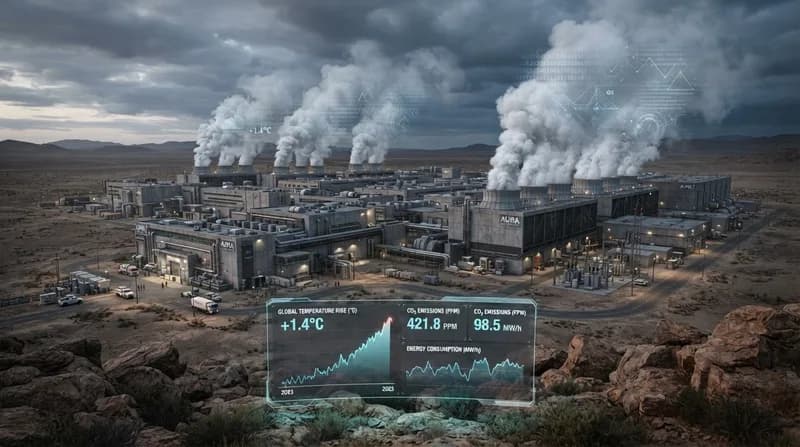
Furthermore, the environmental cost of this dependency is becoming impossible to ignore. Because natural gas extraction and combustion generate significant greenhouse gas emissions, the projected growth is expected to add roughly 1 million metric tons of CO2 equivalent to the atmosphere every day. This influx represents approximately 12% of the current total U.S. greenhouse gas emissions, presenting a significant hurdle for organizations attempting to reconcile their AI ambitions with aggressive decarbonization goals.
Why It Matters
- Grid Strain: AI infrastructure is effectively competing with other industries for energy resources, which could lead to increased regional power prices.
- Energy Autonomy: The trend of tech companies building their own power plants signals a departure from standard grid reliance, potentially altering the relationship between Big Tech and public utilities.
- Climate Policy: The massive carbon footprint associated with powering next-generation models makes current net-zero targets increasingly difficult to achieve.