The High Cost of Intelligence
Tencent, the Chinese internet powerhouse, is currently navigating the difficult transition from a stable, cash-generating gaming and social media giant to an AI-first organization. Recent financial reports reveal a tightening profit margin, a direct byproduct of the aggressive capital expenditure required to compete in the global generative AI race. While the company remains a dominant force in digital entertainment, the sheer volume of resources poured into infrastructure, foundation models, and specialized AI talent has begun to eclipse top-line growth expectations.
Investors are increasingly wary of the "AI tax" being levied on Tencent’s balance sheet. The pursuit of proprietary large language models and the necessary compute power required to train them has become a primary driver of operational costs. Unlike established software revenue streams, the return on investment for these AI initiatives remains abstract, leaving shareholders to wonder when this capital-intensive phase will yield meaningful, bottom-line contributions.
Why It Matters: The Profitability Gap
The current financial climate highlights a fundamental tension within the big tech landscape: the conflict between sustaining shareholder dividends and funding the next industrial revolution. For Tencent, the challenge is twofold. First, it must continue to defend its core businesses—WeChat and its vast gaming catalog—against shifting consumer habits. Second, it must prove that its expensive AI laboratory efforts are not just a strategic necessity, but a commercially viable engine for future revenue.
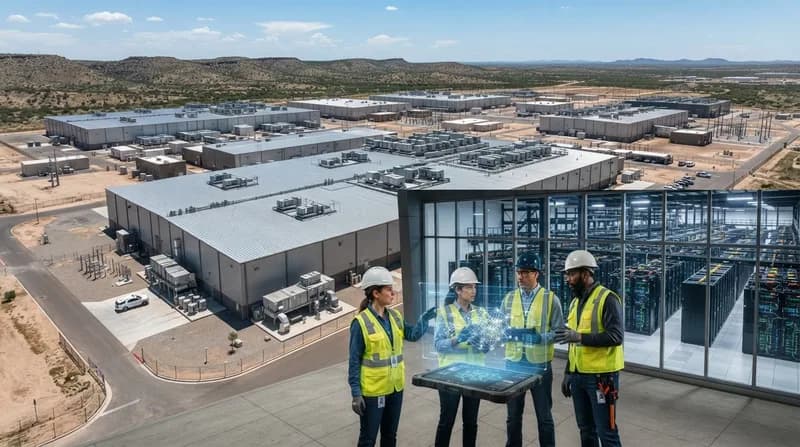
- Compute Overhead: Expanding data center capacity to support AI workloads has significantly increased infrastructure depreciation costs.
- R&D Intensity: Hiring top-tier AI researchers and engineers requires competitive compensation packages that weigh heavily on short-term margins.
- Revenue Pressure: Disappointing sales figures suggest that while the AI strategy is "correct" in the eyes of long-term visionaries, the market currently demands tangible execution over long-term research promises.
The Road Ahead
The path forward for Tencent involves reconciling its ambitious AI roadmap with the immediate need to reassure financial markets. As the company continues to integrate artificial intelligence into its broader ecosystem, the focus will likely shift from "spending to compete" to "monetizing through utility." If the tech giant can successfully embed these advanced models into its enterprise software and consumer services, the current dip in profitability may eventually be viewed as a necessary precursor to a new era of growth. However, until these investments manifest in improved sales, the company will likely remain under intense pressure to balance its high-tech aspirations with fiscal discipline.