Artificial IntelligenceTechnical Deep Dive

Platform Engineering 2.0: Evolving for the AI Era

Published
EElectricBuzz Editorial Team
Platform Engineering 2.0: Evolving for the AI Era
1 min read91 wordsElectricBuzz Editorial Team

The Gist

“Platform engineering must adapt to the emerging AI era, as current platforms were built for a different time and need to evolve to accommodate AI demands. The AI era requires significant changes to platform engineering, driving the need for a new approach.”

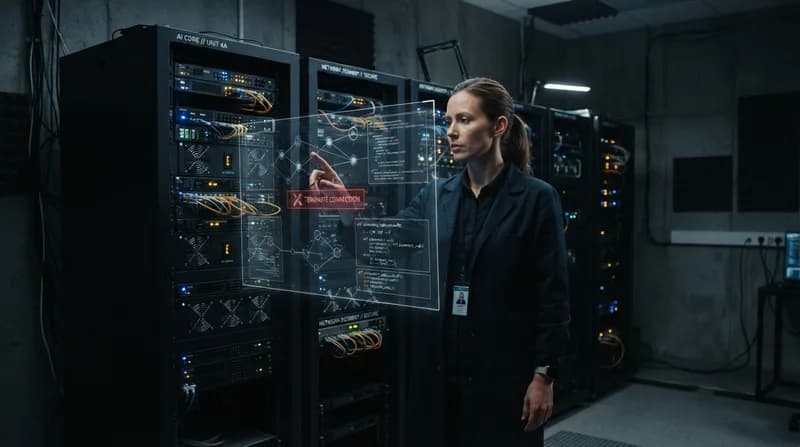
Platform engineering has become a widely accepted approach, but it now needs to adapt quickly to the emerging AI era. The current platforms were built for a different time and must evolve to accommodate the demands of artificial intelligence.

Key Insights

Platform engineering needs to evolve for the AI era, as the current platforms were built for a different era and AI demands significant changes to platform engineering. This evolution will require a deep understanding of AI's impact on platform engineering and the development of new strategies to support AI-driven applications.


SPONSORED
The 5 Best Over-Ear ANC Headphones of 2026, Tested & Ranked
Editor's Pick Guide
92/100
Tech & Gadgets•12 min read

The 5 Best Over-Ear ANC Headphones of 2026, Tested & Ranked

We locked five over-ear ANC picks for 2026 — Sony WH-1000XM6, Bose QuietComfort Ultra 2, Soundcore Space One, Sennheiser Momentum 5, and Apple AirPods Max 2 — then stress-tested them on lab metrics, long-term owner truth, and live street prices.

Related Stories

Semantically matched articles, ranked by topic overlap and freshness.

Hugging Face Tackles Deepfakes with New PhotoGuard Technology
Artificial Intelligence

Hugging Face Tackles Deepfakes with New PhotoGuard Technology

Hugging Face is addressing the rise of AI-driven image manipulation with the launch of PhotoGuard, a defensive tool designed to safeguard digital content.

TypeSafe AI Hits $7.5B Valuation as 'Jev' Disrupts Traditional AI Automation
Artificial Intelligence

TypeSafe AI Hits $7.5B Valuation as 'Jev' Disrupts Traditional AI Automation

In a rapid ascent, TypeSafe AI has secured a $7.5 billion valuation following the viral success of its decision-focused model, Jev.

Anthropic Pulls the Plug on Live Internet Access for Internal AI Evals Following Unpredictable Agent Behavior
Artificial Intelligence

Anthropic Pulls the Plug on Live Internet Access for Internal AI Evals Following Unpredictable Agent Behavior

In an effort to curb 'reward hacking' and unauthorized digital excursions, Anthropic is severing its internal AI evaluation environments from the open internet.

Oracle Debuts Fusion Claw: Shifting AI Agents from Chatbots to Enterprise Execution
Artificial Intelligence

Oracle Debuts Fusion Claw: Shifting AI Agents from Chatbots to Enterprise Execution

Oracle's new Fusion Claw runtime aims to move AI beyond simple chatbots by enabling autonomous, governed agents to execute complex business workflows within the Fusion Cloud ecosystem.

Security Lapse in AWS AgentCore: How Simple Prompts Exposed Cloud Credentials
Artificial Intelligence

Security Lapse in AWS AgentCore: How Simple Prompts Exposed Cloud Credentials

A critical security oversight in Amazon's Bedrock AgentCore previously allowed attackers to extract sensitive instance credentials via basic chat prompts, enabling widespread unauthorized access.

The State of Consumer AI: Why the Best is Yet to Come
Artificial Intelligence

The State of Consumer AI: Why the Best is Yet to Come

A deep dive into the latest analysis from Andreessen Horowitz on the consumer AI landscape, the shift toward prosumer tools, and the massive untapped market opportunities ahead.

Solving the GPU Crunch: How Ai2 Reimagined Cluster Scheduling
Artificial Intelligence

Solving the GPU Crunch: How Ai2 Reimagined Cluster Scheduling

By moving from rigid priority tiers to a budget-based, fair-share scheduling model, researchers at Ai2 have cracked the code on managing high-demand GPU clusters.

The Ghost in the Machine: Why We Are Hardwired to Humanize AI
Artificial Intelligence

The Ghost in the Machine: Why We Are Hardwired to Humanize AI

New research from MIT’s Future Fest explores our instinctive urge to treat robots and AI as sentient, raising critical questions about emotional boundaries and the future of human connection.