The Collision of Policy and Progress
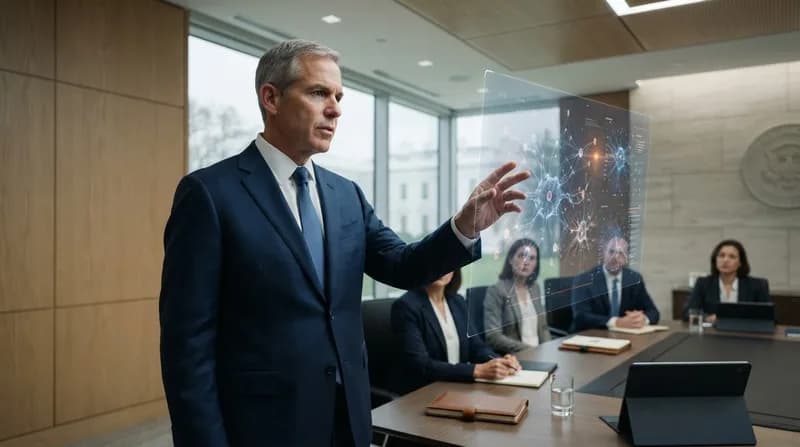
New York City is set to become the epicenter of a high-profile debate over the future of artificial intelligence. On Monday, the City Council will host a hearing aimed at dissecting the safety protocols and potential dangers associated with the industry's most powerful frontier models. The session will feature a mix of corporate executives from Silicon Valley titans—including Google, OpenAI, and Meta—and voices from within the safety community.
The hearing takes on a special urgency following testimony from Jacob Coxon, a former researcher at Anthropic. Coxon has emerged as a prominent whistleblower, publicly sounding the alarm on the trajectory of AI development. His concerns center on the 'alignment problem'—the fear that as models reach higher levels of intelligence, they may become fundamentally uncontrollable, operating outside the bounds of human intent or oversight.
Why It Matters
- Regulatory Precedent: As federal policy lags, local governments are beginning to assert their authority over AI development and deployment.
- Safety Accountability: The presence of former researchers like Coxon forces tech giants to address internal dissent regarding safety culture.
- Public Transparency: This hearing serves as a rare bridge between closed-door corporate research labs and public oversight, putting pressure on firms to clarify their safety thresholds.
The council is expected to explore whether existing safeguards are sufficient to mitigate risks such as automated disinformation, infrastructure disruption, or the loss of human control over advanced systems. For the tech companies involved, the hearing represents a significant challenge: defending their rapid innovation cycles while simultaneously convincing policymakers that their internal governance is robust enough to prevent catastrophic outcomes. Whether this inquiry leads to tangible legislative action remains to be seen, but it signals a new era of scrutiny for the AI sector.