A High-Stakes Race for AI Capacity
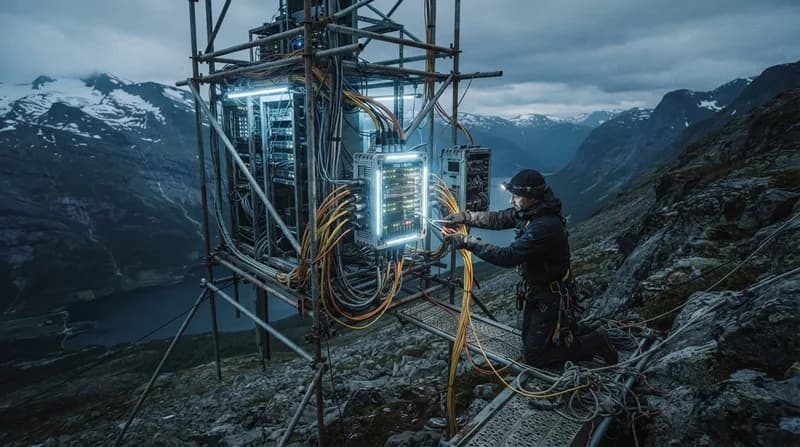
Nscale, the infrastructure firm aiming for a massive $35 billion public offering, is currently navigating significant operational headwinds. The company’s flagship AI data center project in Norway has hit a critical six-month delay, threatening the timeline for its highly anticipated stock market debut. As the demand for high-performance computing power continues to surge, the pressure to bring these massive facilities online has never been higher.
To mitigate the setback, Nscale has turned to unconventional logistical solutions. Reports indicate that construction teams are now being housed in a specialized floating hotel near the site. This "floatel" is a desperate measure to expedite the remaining construction work, ensuring that engineers and specialized labor can work around the clock to meet the revised, albeit delayed, completion targets.
Why It Matters
- Investment Pressure: A $35 billion IPO is a monumental financial event; delays in the underlying hardware assets can spook institutional investors.
- AI Hardware Crunch: As foundation models grow in complexity, the race to build power-dense data centers has become the primary bottleneck for AI development.
- Logistical Innovation: The use of floating accommodation highlights the extreme lengths firms must go to in remote, energy-rich regions to secure power and climate cooling for server racks.
The situation underscores a broader trend within the AI industry: the physical world is struggling to keep up with software-first ambitions. While silicon chips get faster and models get smarter, the actual assembly of the data centers required to host these intelligence engines remains a traditional, capital-intensive, and delay-prone endeavor. Nscale’s ability to recover from this Norwegian setback will likely serve as a litmus test for other infrastructure players currently scaling up to meet the insatiable appetites of generative AI models.