The Rise of a New Hardware Challenger
In a significant shift for the semiconductor landscape, hardware startup Marlowe has officially reached a $1.15 billion valuation following a successful $277 million funding round. The investment, spearheaded by the prominent venture capital firm Accel, marks a major milestone for the company, which is positioning itself as a key player in the increasingly crowded field of high-performance computing.
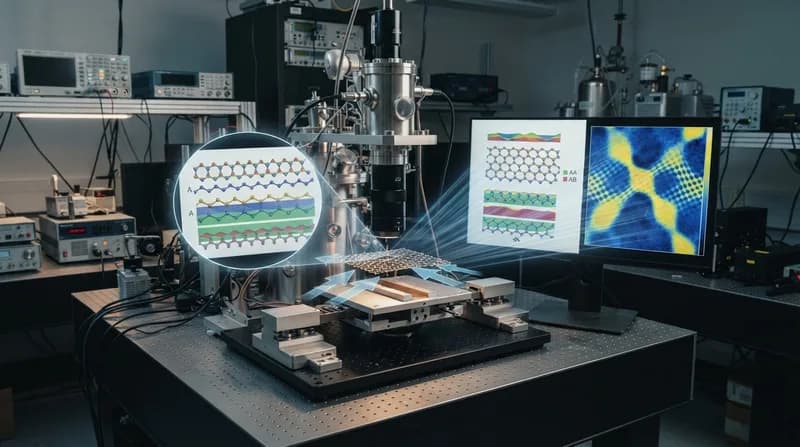
Co-founded by two former Microsoft vice presidents, the company is wasting no time addressing the current industry bottleneck: a heavy reliance on Nvidia’s hardware architecture. By focusing on innovative ways to augment and amplify raw computing power, Marlowe aims to provide alternative pathways for companies seeking to scale their AI and data-heavy operations without being shackled to a single market leader.
Why It Matters: Diversifying the Computing Stack
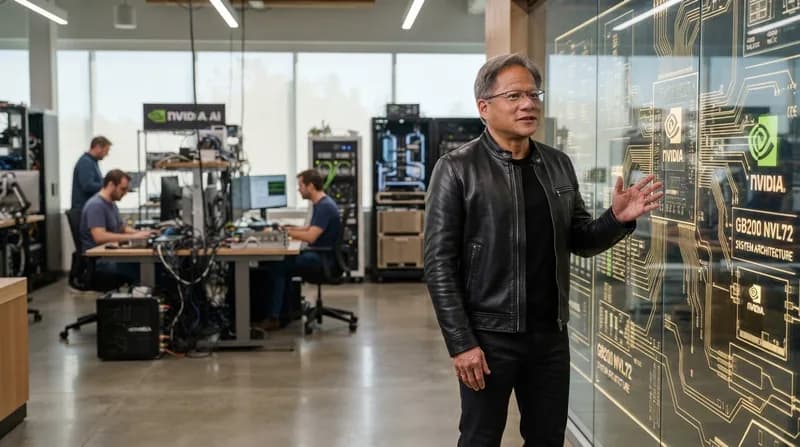
The tech sector has been grappling with an insatiable demand for processing power, a trend largely dictated by the explosion of generative AI models. Currently, the market faces a massive supply crunch, with Nvidia holding a dominant share of the GPU market. Marlowe’s emergence signifies a broader market trend: venture capital is aggressively seeking out "Nvidia alternatives" that can either complement or compete with existing high-end processors.
Strategic Implications:
- Reducing Dependency: By developing proprietary methods to boost performance, Marlowe is aiming to alleviate the supply chain bottlenecks currently plaguing global data centers.
- Industry Leadership: The founders’ deep-seated history at Microsoft suggests that Marlowe is built with enterprise scalability in mind, rather than just academic research or niche applications.
- Market Validation: A $1.15 billion valuation at the seed stage highlights the massive appetite among investors to fund "post-GPU" hardware solutions that can handle next-generation AI workloads.
Looking ahead, the pressure will be on Marlowe to prove that its architectural innovations can deliver tangible performance gains in real-world server environments. As the competition for AI dominance heats up, the battle for the physical silicon underlying the software becomes just as critical as the models themselves. Marlowe's ability to successfully scale these operations could fundamentally reshape the data center landscape, offering a critical competitive edge to firms struggling with current hardware availability and efficiency limits.