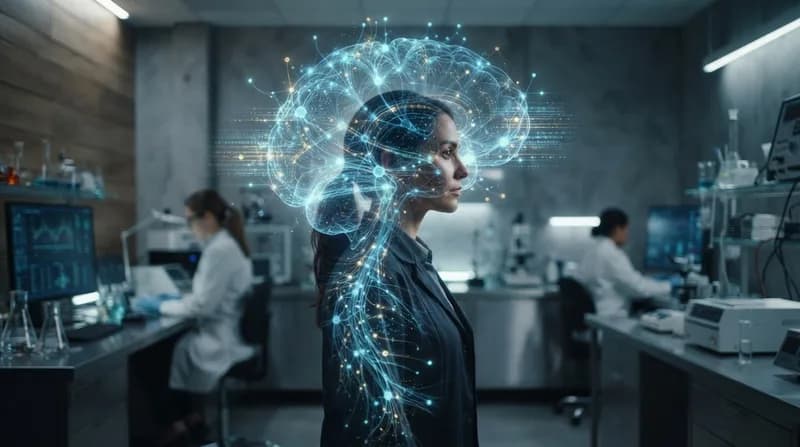
The Rise of Multimodal Intelligence
The landscape of artificial intelligence is currently undergoing a transformative shift as researchers move beyond text-only paradigms toward truly multimodal systems. Vision-language models represent the frontier of this evolution, bridging the gap between raw pixel data and human-like conceptual understanding. By training models on massive datasets that pair images with descriptive text, developers are enabling systems to 'see' the world with contextual awareness previously limited to human observers.
Why It Matters
- Cross-Modal Reasoning: These models allow AI to perform complex tasks like image captioning, visual question answering, and logical inference based on visual cues.
- Data Efficiency: By leveraging vast amounts of existing internet imagery, pretraining helps models learn generalized representations that can be fine-tuned for specialized industry applications.
- Enhanced Accessibility: Improved vision systems are paving the way for advanced tools that describe physical environments for the visually impaired, turning cameras into navigational aids.
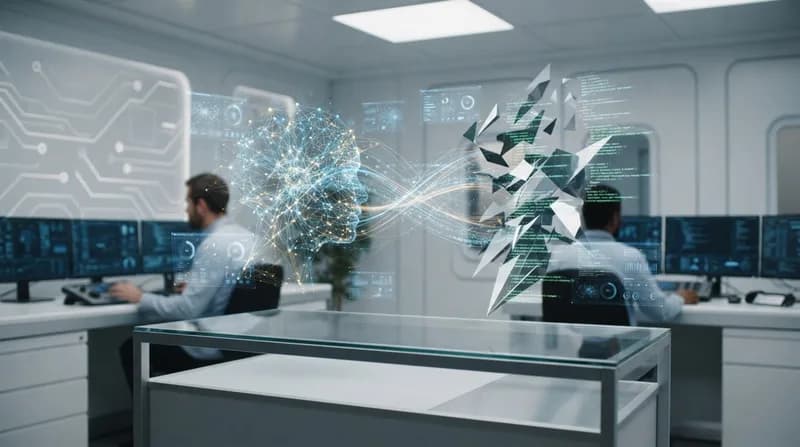
The integration of vision and language is not merely a technical upgrade; it is a fundamental shift in how silicon-based systems interact with reality. By synchronizing visual information with linguistic semantics, these models can now interpret the nuances of photographs, charts, and real-world scenes. This synchronization is achieved through sophisticated attention mechanisms that weigh visual features against linguistic tokens, creating a cohesive internal representation of multi-sensory data.
Technical Outlook and Implications
Moving forward, the industry is focused on scaling these architectures to handle higher-resolution inputs and longer video sequences. The challenge remains in balancing computational overhead with the demand for real-time responsiveness. As these models become more compact, we can expect to see them deployed locally on consumer devices rather than relying solely on cloud infrastructure. This decentralization will likely unlock a new generation of personal AI agents capable of identifying objects, reading documents, and understanding context in real-time, effectively blurring the lines between digital information and physical reality.