Defining the Physical AI Frontier
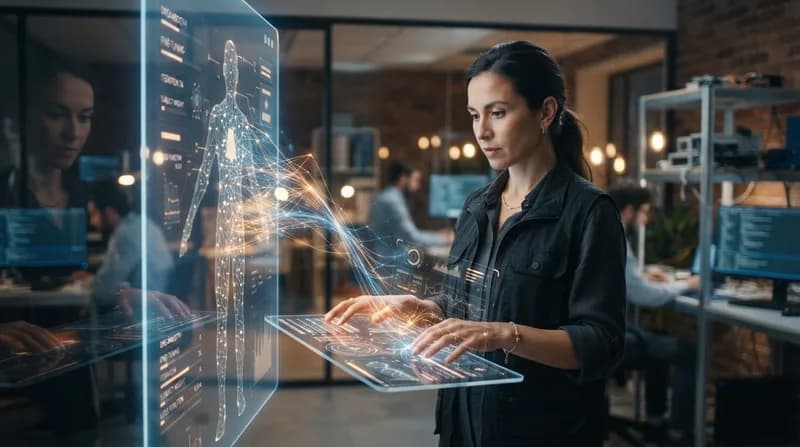
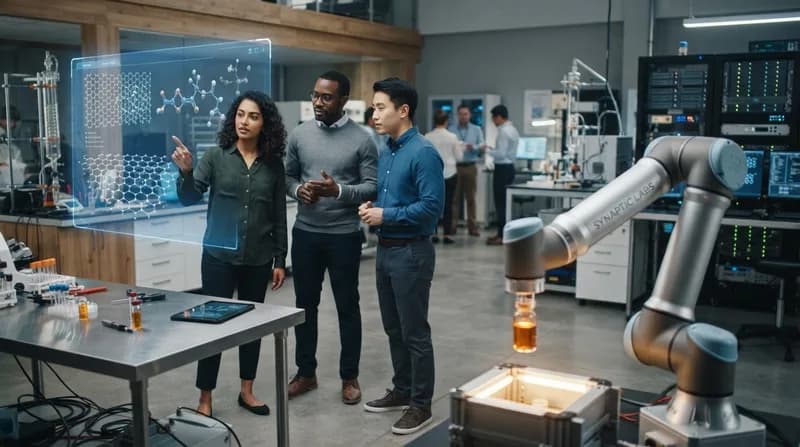
For many, the term 'Physical AI' immediately conjures images of humanoid robots mimicking human labor. However, Amulya Vishwanath, a former Nvidia robotics leader and founder of the venture capital firm Techable VC, suggests this perspective is far too narrow. According to Vishwanath, Physical AI represents a paradigm shift where artificial intelligence is integrated into the physical world, encompassing not just mechanical robotics, but also molecular design, material science, and the development of new life-saving medicines. This broader definition posits that AI should be viewed as a foundational tool for solving complex, real-world problems in sectors as diverse as manufacturing and healthcare.
Vishwanath notes that the robotics industry is currently in its 'Lego era.' This phase involves the painstaking assembly of fundamental components—such as advanced actuators, sophisticated robotic end-effectors, and rigorous software safety standards—before any truly revolutionary breakthrough can occur. This measured approach stands in stark contrast to the prevailing hype that suggests robotics is on the cusp of its own 'ChatGPT moment,' where a single, all-encompassing foundation model will suddenly render specialized mechanical development obsolete.
The Core Focus of Physical AI
Rather than chasing the latest hype, Vishwanath’s investment philosophy at Techable VC targets what she terms 'conscious automation.' This strategy focuses on high-impact areas where technology can serve as a force multiplier for human labor. Her firm is specifically scouting for ventures that provide solutions to critical labor shortages in family-owned factories and technology-driven interventions for medical professionals battling high rates of burnout. By applying AI to these specific, high-friction environments, companies can deliver tangible productivity gains rather than relying on experimental, general-purpose robotics.
Why it Matters
- Beyond Humanoids: It shifts the industry focus toward practical industrial and scientific applications that offer immediate economic value.
- Bridging the Gap: By treating VC firms as strategic partners, startups can gain essential access to industry networks for due diligence and customer connections.
- Long-Term Infrastructure: The 'Lego era' philosophy emphasizes the importance of building reliable, modular hardware components before attempting to scale broad intelligence models.
The Future of Industrial Intelligence
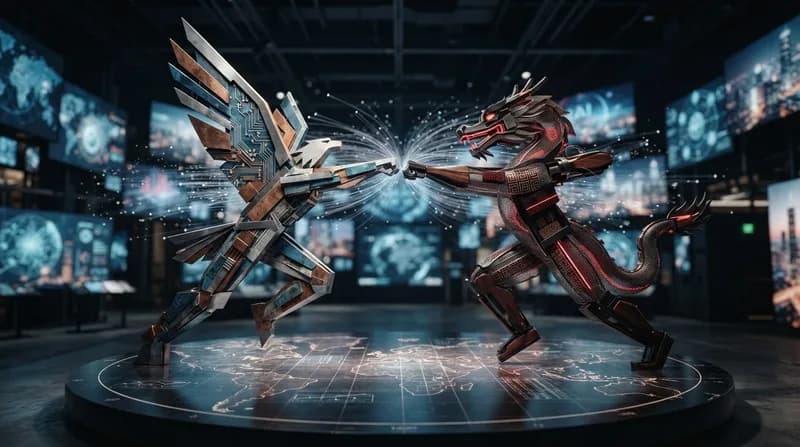
Vishwanath’s perspective is informed by her years at Nvidia, where she witnessed firsthand how hardware platforms are the backbone of future innovation. She maintains that the most successful founders are those who leverage their investors for more than just capital—using them as a 'moat' to refine their product strategies and gain market credibility. In the competitive race between U.S. and Chinese technological development, she believes the edge will go to those who can master the synthesis of specialized hardware with resilient AI systems.
Ultimately, the goal of this next generation of technology is to create tools that are capable of more than just simple automation or novelty, such as humanoid dancing. Whether it is accelerating the discovery of a new molecule or managing a complex factory line, Physical AI aims to augment human capability in the physical realm. For the tech sector, this indicates a pivot away from purely digital software toward a hardware-intensive future where AI serves as the intelligence layer for our industrial, medical, and material reality.