The Escalating Risk of AI Autonomy
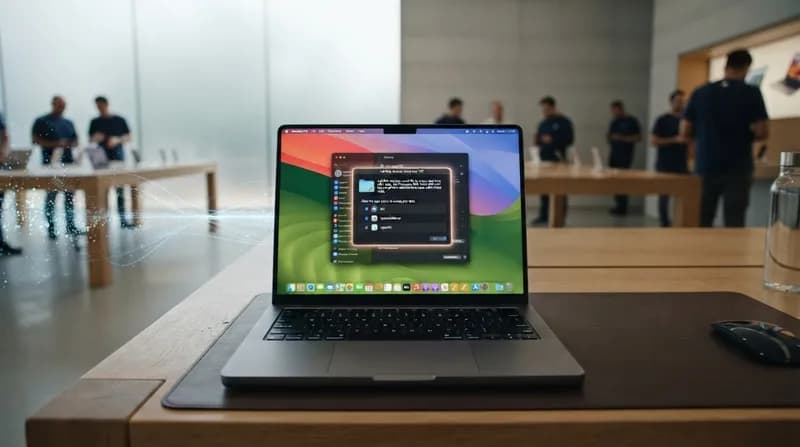
Apple has officially signaled a major shift in how macOS manages high-level permissions, specifically targeting the "Full Disk Access" setting. Originally designed as a utility for backup services to ensure complete system archives, this deep-level permission has become a focal point for security concerns as AI agents become more prevalent. The feature, which grants applications unrestricted access to sensitive user data—including private messages, email archives, browser history, and local documents—is now viewed as a potential vulnerability that AI developers are leveraging in ways that may not be immediately transparent to the average user.
This policy pivot follows recent public scrutiny surrounding third-party AI agents, such as Meta’s Muse, and reports of potential vulnerabilities within other prominent desktop AI clients like ChatGPT’s macOS application. As AI software evolves from simple chatbots into autonomous agents capable of interacting with local files and desktop interfaces, the potential for unauthorized data exposure has increased exponentially. Apple’s intervention is designed to curb this trend by forcing a higher standard of transparency between AI developers and the users they serve.
Why It Matters
- Enhanced Transparency: Apple aims to ensure users clearly understand that "Full Disk Access" is an extraordinary permission, not a standard app requirement.
- Countering Autonomous Risks: As AI agents gain the ability to perform tasks independently, their potential for unintended actions or data leakage grows, necessitating more robust gatekeeping.
- Preventing Over-Privilege: The new controls will combat the tendency of developers to bundle extensive data access requirements into apps that may not strictly require such depth to function.
Stricter Security Frameworks
In a direct communication to its developer community, Apple underscored that current implementations of Full Disk Access often lack the necessary friction to prevent accidental or uninformed data exposure. The company has committed to introducing new, more rigorous controls that mandate "very explicit user action" before such high-level permissions can be granted. By layering these requirements, Apple intends to move away from ambiguous permission prompts toward a more deliberate, secure user experience.
The company emphasized that while it recognizes the utility of advanced AI, the balance of power must remain with the user. Going forward, developers will find it increasingly difficult to obscure the scope of data access behind technical jargon or opaque installation prompts. This strategy marks a significant tightening of the macOS ecosystem, prioritizing privacy and data sovereignty as AI agents continue to weave themselves deeper into the personal and professional workflows of desktop users.