The Great Data Center Bottleneck
The global race to build massive data centers to support the insatiable appetite of artificial intelligence is currently hitting a series of formidable walls. While headlines frequently announce multi-billion dollar campus projects designed to house thousands of high-performance GPUs, the reality on the ground is far more complex. Experts and industry analysts are now highlighting that a vast disparity exists between announced capacity and actual operational facilities, suggesting that many of these projects may never materialize into physical structures.
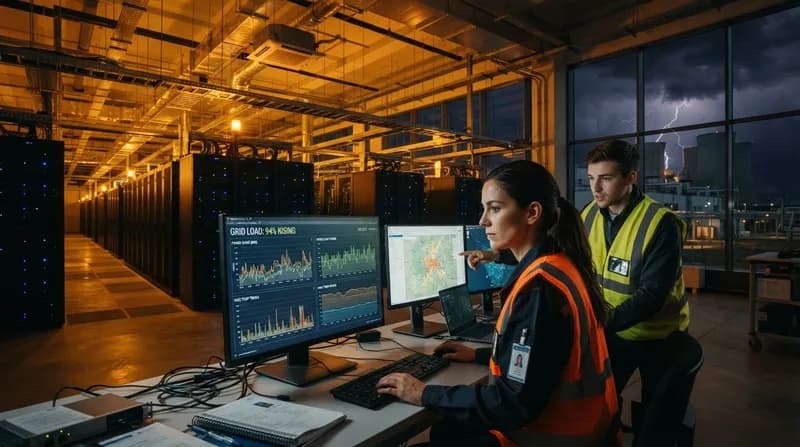
This speculative bubble is driven by the urgent need to secure power and real estate, but it is being tempered by harsh economic and logistical limitations. Projects that appear on paper to be definitive shifts in regional infrastructure are often subject to lengthy permitting processes, local community opposition, and, most crucially, the extreme scarcity of electricity. As utility grids struggle to accommodate the massive energy loads required by modern AI clusters, the timeline for delivery has become increasingly volatile, forcing stakeholders to reconsider the viability of some of their most ambitious proposals.
The Reality Check on Infrastructure Investment
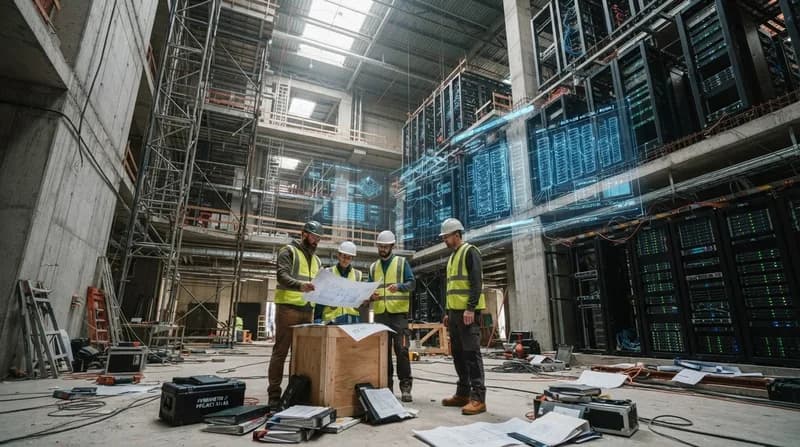
Separating realistic deployment strategies from speculative land-grabbing is becoming a critical task for investors and tech leaders alike. Brent Nelson, an expert in markets and strategy, points out that the current surge in project announcements should not be viewed as guaranteed growth. Many of these prospective sites are facing critical infrastructure hurdles that cannot be bypassed by capital alone, specifically regarding grid connectivity and energy transmission capacity. Without a clear path to obtaining the necessary wattage, many of these projects are essentially stalling indefinitely in the pre-construction phase.
Furthermore, the high level of investment currently flowing into AI infrastructure means that the market is inherently sensitive to shifting hardware requirements. As the efficiency of AI models and the physical hardware that powers them evolves, the need for specific types of data center facilities might change before construction even commences. This technological fluidity, combined with the administrative, financial, and environmental constraints, suggests that the current pipeline of data center growth will likely undergo a significant thinning out as only the most strategically sound and well-resourced sites make it to the groundbreaking stage.
Why It Matters
- Grid Reliability: The scramble for power by AI labs is placing unprecedented strain on municipal power grids, making electricity the new "real estate" of the tech sector.
- Capital Efficiency: Investors are becoming increasingly cautious, shifting their focus toward projects with verified utility access and clear permitting pathways rather than high-concept announcements.
- Market Correction: The anticipated cull of stalled projects will likely favor incumbent players and established firms that have already secured energy supply agreements, potentially cooling the rapid, speculative expansion seen over the last year.
Ultimately, the industry is entering a phase of rationalization. While the demand for computing power is undeniably real, the physical manifestation of that demand in the form of millions of square feet of cooling and server racks requires a level of bureaucratic and logistical synchronization that the current market landscape is struggling to provide. For local communities and policy makers, the takeaway is that not every projected data center is an inevitable addition to their landscape, and the filtering process for these projects is only just beginning.