The Path to Digital Sovereignty
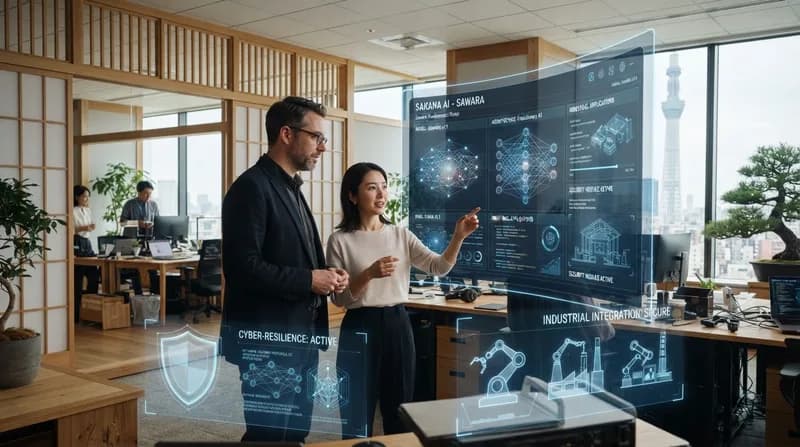
Tokyo-based startup Sakana AI is charting a new course for Japan’s technological landscape. While the company has previously made waves with orchestration systems and fine-tuned linguistic models, it has officially announced plans to develop its own proprietary foundation model, codenamed Sawara. According to co-founder and CEO David Ha, this strategic pivot is driven by more than just national security; it is a calculated effort to fortify Japan’s industrial and manufacturing sectors through homegrown AI innovation.
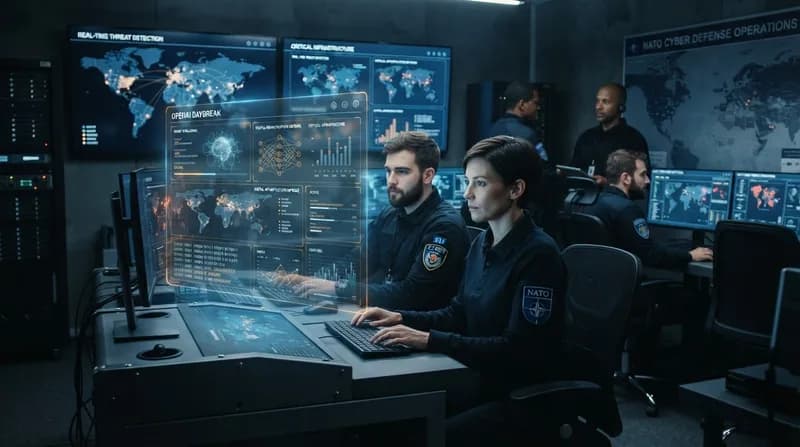
The development of Sawara comes at a time when many nations are questioning their dependence on AI technologies originating from the United States and China. Ha argues that for sensitive sectors, particularly cybersecurity and national defense, reliance on foreign models is not just a strategic risk—it is a functional limitation. Many existing global models, according to Ha, carry inherent cultural and political biases that make them ill-suited for the nuanced, localized requirements of Japanese enterprise and government operations.
Building the 'Full-Stack' Ecosystem
Sakana AI’s recent history is marked by its ability to integrate disparate AI resources. The launch of Fugu—an AI orchestration system—allowed the company to bridge different models to create task-specific agents. This was followed by Namazu, which specifically optimized open-weight models from Meta and DeepSeek to better navigate Japanese language, culture, and unique business etiquettes. However, Ha views these as intermediate steps.
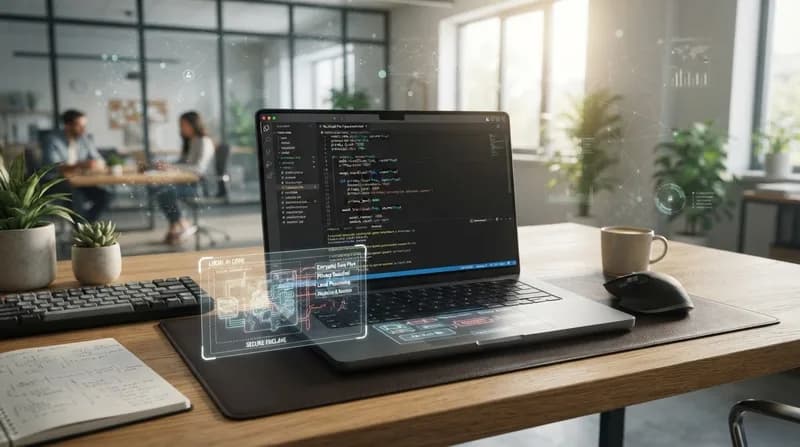
With Sawara, Sakana aims to achieve true "full-stack" capability. The roadmap for 2027 includes the training and release of both small-scale and large-scale models. The smaller variants are particularly vital for on-premises deployment, a prerequisite for the high-security environments required by Japanese government agencies and industrial giants. By offering on-premises solutions, Sakana intends to provide the level of control and auditability that international commercial models often cannot guarantee.
Strategic Alignment and Future Outlook
The company’s focus on cybersecurity and disinformation detection has already earned it research contracts with Japan’s Ministry of Defense and the Ministry of Internal Affairs and Communications. These partnerships have provided Sakana with a masterclass in the stringent requirements necessary for government-grade AI, including data provenance and local infrastructure compatibility. These lessons are now being baked into the architecture of Sawara.
While rumors of a potential IPO have circulated, Sakana remains focused on its long-term industrial partnerships. The company’s vision is not merely to sell AI models as a commodity, but to act as a strategic partner to Japan’s massive manufacturing base. By embedding sophisticated AI capabilities into the hardware and industrial processes that define the Japanese economy, Sakana hopes to boost global competitiveness for local firms. As Ha notes, the goal is to expand internationally in tandem with Japan’s industrial titans, creating a symbiotic ecosystem where domestic AI prowess fuels global market success.