E-BUZZ ME Logo
ScienceTechnical Deep Dive

FDA Clears First Autonomous Robotic Device for Blood Draws

Published
FDA Clears First Autonomous Robotic Device for Blood Draws
1 min read105 words

The Gist

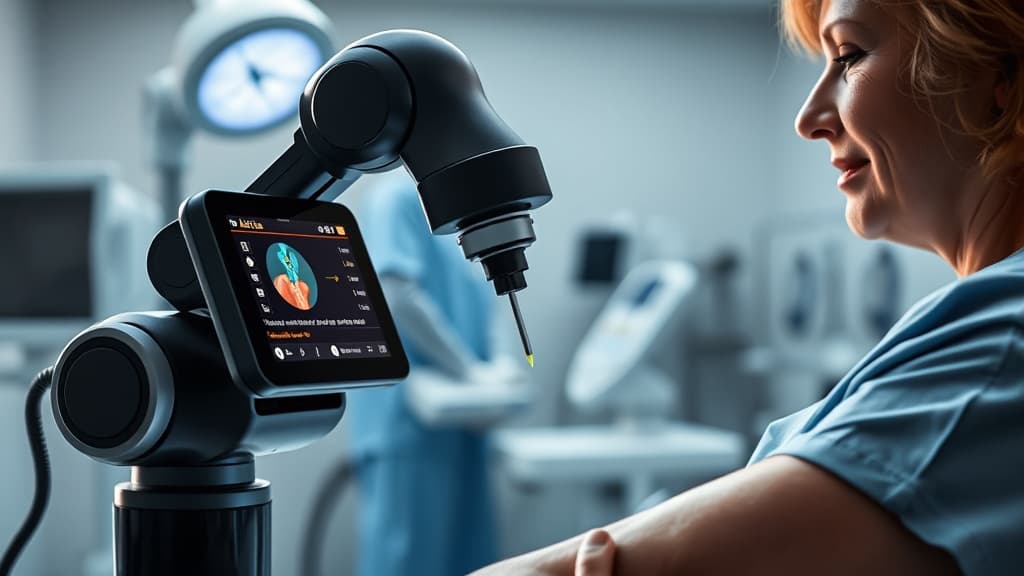
The FDA has granted marketing authorization to Vitestro for Aletta, a standalone robotic device that can autonomously draw blood from a patient's arm. This innovation has the potential to revolutionize the blood draw process, making it more efficient and reducing the risk of human error.

The FDA's authorization of Aletta marks a significant milestone in the development of medical robotics. Aletta uses near-infrared light and Doppler ultrasound to locate a suitable vein and can perform all steps of the blood draw with the oversight of a trained phlebotomist.

Key Insights

Aletta is the first standalone robotic device authorized by the FDA to draw blood, and it can autonomously handle all steps of the blood draw, including locating a vein and inserting a needle. One phlebotomist can oversee up to three Aletta devices simultaneously, with the device achieving successful blood-draw rates comparable to or better than those of trained human phlebotomists.


Related Stories

Semantically matched articles, ranked by topic overlap and freshness.

2,200-year-old Roman Shipwreck Reveals Ancient Waterproofing Secrets
Science

2,200-year-old Roman Shipwreck Reveals Ancient Waterproofing Secrets

A 2,200-year-old Roman shipwreck has revealed the ancient secrets of waterproofing, with scientists discovering a unique coating on the ship's hull. The analysis of pollen trapped in the coatings has provided insights into the landscapes surrounding the ship when repairs were made, offering a fascinating glimpse into the past.

Mosquito Control Key to Tackling Disease Rise in Europe
Science

Mosquito Control Key to Tackling Disease Rise in Europe

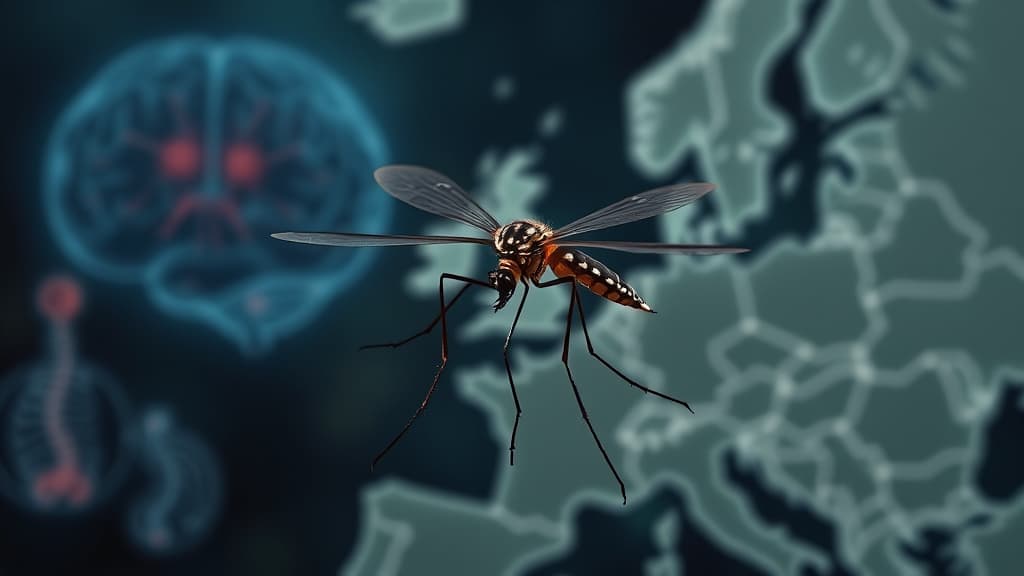
EU scientists stress the vital importance of mosquito control in combating the surge of mosquito-borne diseases in Europe, including dengue and West Nile virus. A collaborative One Health approach is recommended to enhance intervention effectiveness against these diseases.

West Nile Virus Outbreak Spreads Across Europe
Science

West Nile Virus Outbreak Spreads Across Europe

The EU health agency has reported locally acquired cases of West Nile virus in 12 European countries, with 99 regions affected, prompting calls for increased control efforts. The mosquito-borne virus can cause flu-like symptoms, but may also lead to severe conditions such as encephalitis and meningitis in extreme cases.

Breakthrough in Breast Cancer Research: Scientists Identify Key Molecule
Science

Breakthrough in Breast Cancer Research: Scientists Identify Key Molecule

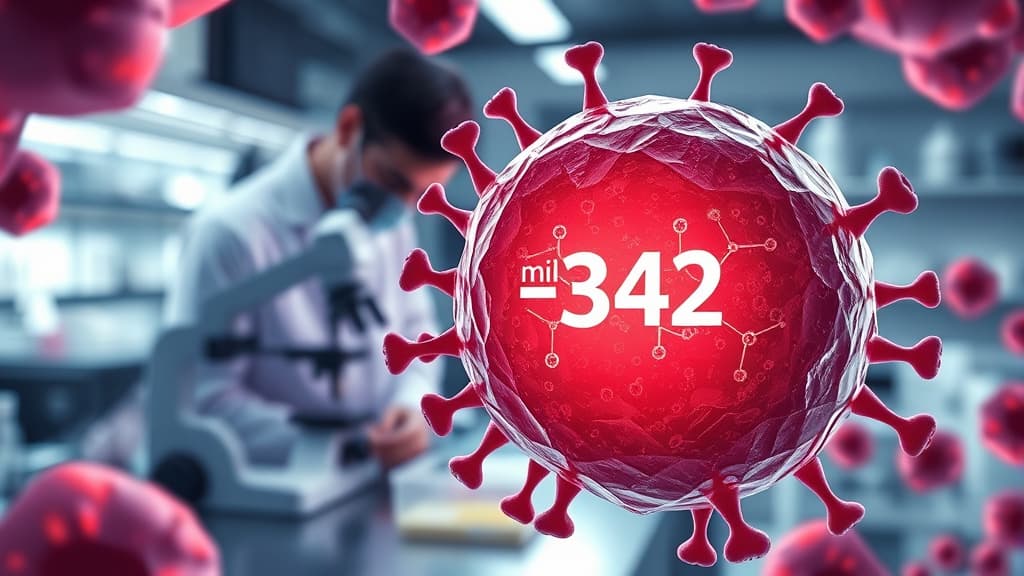
Australian researchers have made a significant discovery in the fight against triple-negative breast cancer, identifying a molecular switch that drives the spread of the disease. The study reveals that low levels of a naturally occurring molecule called miR-342 and high activity of the E2F pathway increase the risk of metastatic disease, offering new hope for treatment.

Ozempic's Surprising Effect on the Brain's Hunger Neurons
Science

Ozempic's Surprising Effect on the Brain's Hunger Neurons

Researchers at Yale University have made a groundbreaking discovery about Ozempic, a medication used to treat obesity, finding that it activates hunger-linked neurons in the brain, contrary to previous expectations. This unexpected finding could pave the way for the development of more effective obesity treatments, offering new hope for those struggling with weight loss.

SpaceX Ventures into Natural Gas Trading to Fuel Ambitious Starship Program
Science

SpaceX Ventures into Natural Gas Trading to Fuel Ambitious Starship Program

SpaceX, under Elon Musk's leadership, is establishing a natural gas trading team to support its growing energy demands, particularly for the Starship program. This strategic move aims to secure a stable supply of liquid methane, the primary fuel for Starship, and optimize energy costs for frequent tests and launches from its Texas-based Starbase facility.

At-Home Test Cuts Colorectal Cancer Death Risk by 43%
Science

At-Home Test Cuts Colorectal Cancer Death Risk by 43%

A Swedish study of over 376,000 people found that participating in colorectal cancer screening can lower the risk of dying from the disease by 43%. The simple at-home screening test, which involves providing a stool sample, could significantly reduce the risk of death from colorectal cancer.

On-Call Work Disrupts Sleep, Even Without Calls
Science

On-Call Work Disrupts Sleep, Even Without Calls

Being 'on-call' for work can disrupt sleep patterns due to uncertainty and anticipation, even if no call comes, affecting overall health. This can lead to increased risk of accidents, mental health difficulties, and chronic diseases, highlighting the need for better work-life balance strategies.