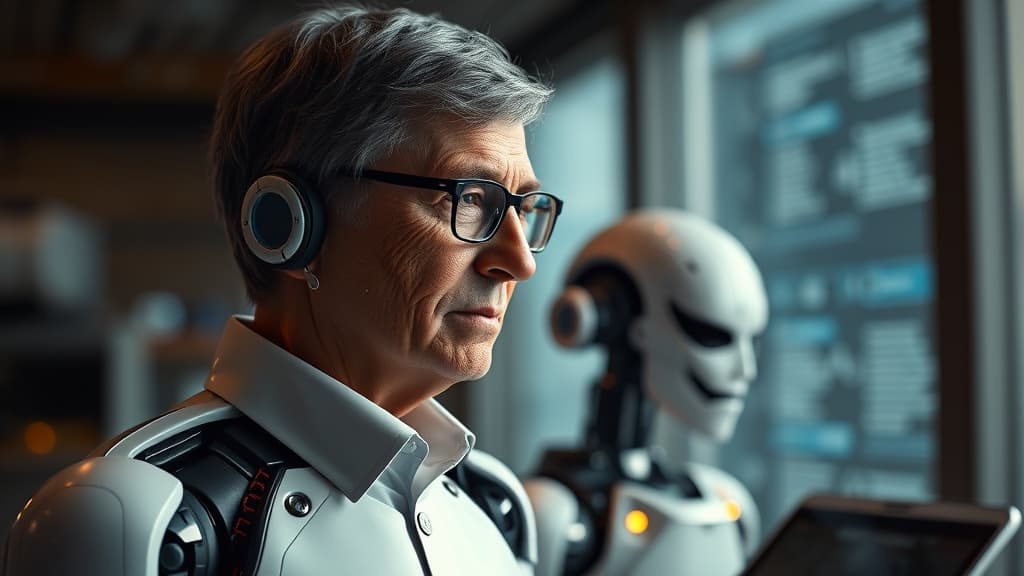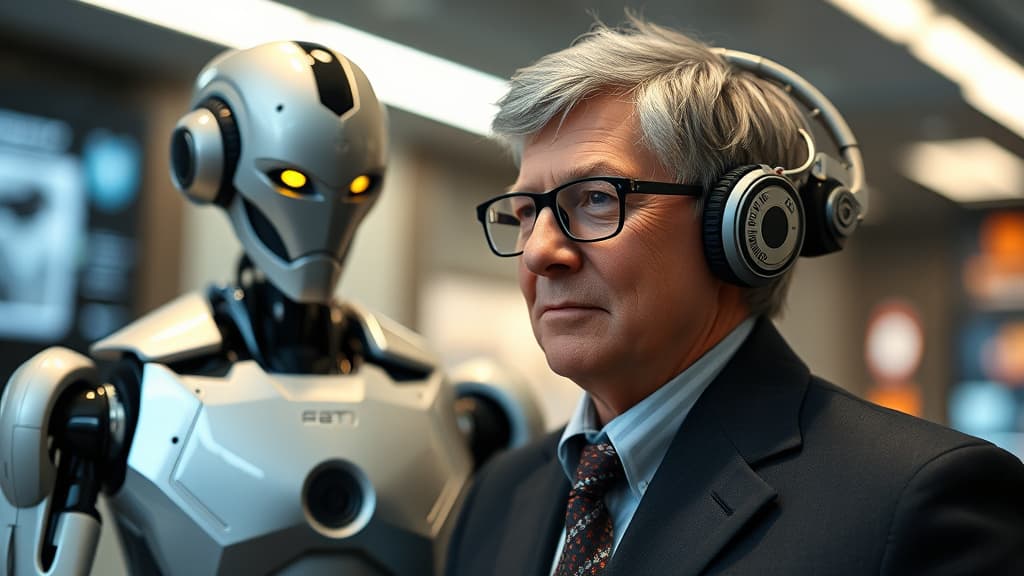
In a thoughtful examination of the implications of artificial intelligence (AI) on the labor market, Bill Gates has introduced significant proposals seeking to alleviate potential economic disruptions caused by automation. He suggests implementing a 'robot tax' and reserving certain jobs for humans to stem the rapid transition from human labor to machines.
Key Points from Gates' Proposal
- The proposed 'robot tax' aims to reduce employers' incentives to replace human workers with machines, generating revenue that could fund retraining programs.
- Gates advocates for 'Human Reserved' jobs to ensure specific roles remain open to human workers, alleviating concerns about economic displacement for those unable to transition into new occupations.
- Examples provided by Gates highlight situations necessitating human sensitivity, such as breaking bad news to patients, where AI may lack the necessary emotional intelligence.
- Implementing these ideas could challenge the profitability of major tech companies, raising questions about practical enforcement and regulatory oversight.
- Gates expresses skepticism regarding recent movements advocating for a slowdown in AI development, indicating his view that a careful balance must be struck between harnessing AI's benefits and managing its risks.
Gates' insights reflect a growing concern among leaders about the societal ramifications of AD. By proposing measures to control AI's integration into the workforce, he aims to facilitate a smoother transition for affected workers and provide a framework for responsible technology use.
The full essay can be viewed on TechCrunch: Bill Gates wants to see a robot tax and ‘Human Reserved’ jobs to mitigate harms from AI.