The Rise of the Unseen Coder
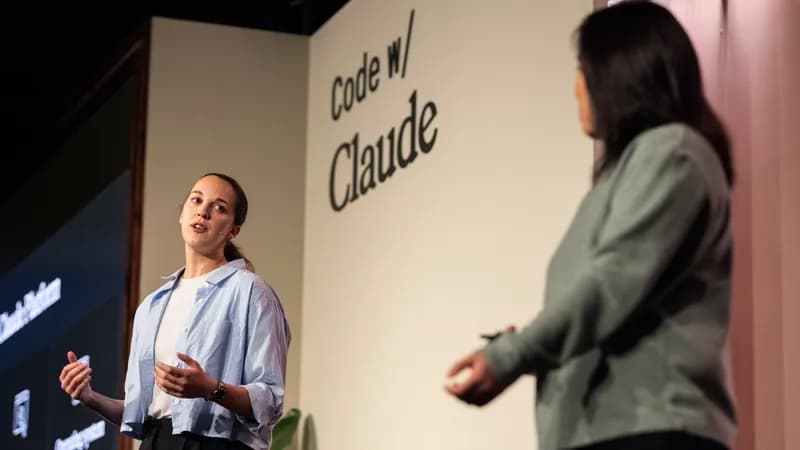
Picture this: a packed developer conference, and when asked who has shipped a pull request entirely written by AI, almost half the room raises their hands. Then, when asked who shipped AI code without even reading it, most hands remain aloft. This wasn't a hypothetical; it was the scene at Anthropic's 'Code with Claude' event, showcasing just how quickly AI is redefining software development.
Companies like Anthropic are proudly stating that their AI, Claude, now writes the majority of its own code. The vision extends beyond mere assistance; Anthropic aims for AI to prompt itself, test, correct, and even 'dream' – consolidating learning from past tasks to improve autonomously. This 'let it cook' philosophy promises unprecedented automation.
The Unspoken Concerns
While the enthusiasm at such events is palpable, a growing unease ripples through online forums. Developers voice concerns that AI tools, often pushed by management for productivity gains, can lead to more code review burden, diminished human coding skills, and a higher risk of security vulnerabilities from unread, AI-generated code. As one user aptly put it, "The only people I've heard saying that generated code is fine are those who don’t read it."
Anthropic acknowledges that traditional best practices still apply, yet the temptation to offload oversight grows as AI improves. With Claude now performing at the level of a mid-level engineer, the ultimate goal of AI building itself poses profound questions for the future of human involvement in software creation.